4K vs 8K Resolution: Is 8K Worth It for Home Theater?
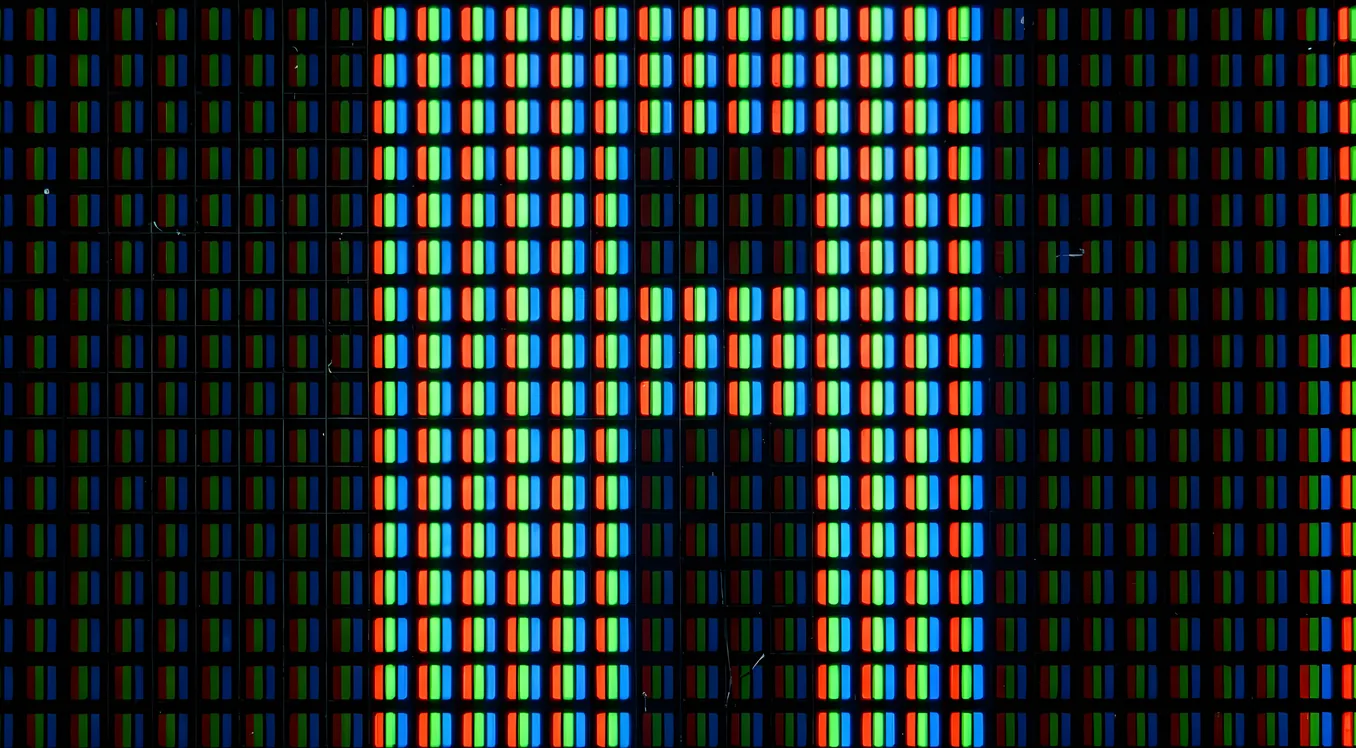
The math on 8K looks impressive. A 4K panel resolves 3840x2160, or 8.3 million pixels. An 8K panel resolves 7680x4320, or 33.2 million pixels. Four times the pixel count, four times the detail. On paper, the case writes itself.
In practice, the argument falls apart across three separate fronts: human visual acuity limits how much resolution the eye can perceive from normal viewing distances, 8K native content barely exists, and 8K panels cost a multiple of comparable 4K sets. This guide works through each of those factors and gives you a clear, honest answer on where the resolution ceiling actually sits for a home theater.
How Human Vision Limits What You Can Actually See
Resolution is not purely about the panel. It is about the relationship between panel resolution, screen size, and the distance from your eyes to the screen. The limiting factor in most home theater setups is human visual acuity, which runs roughly 1 arcminute of angular resolution per pixel at typical viewing distances.
THX and SMPTE have both published viewing distance recommendations based on field of view rather than pixel counts, but the underlying math converges on the same result. At a 10-foot viewing distance, a 77-inch 4K screen already exceeds the angular resolution limit of normal human vision. You are sitting far enough back that additional pixels produce no perceptible sharpness gain because your eye cannot resolve the angular difference between adjacent pixels.
To actually perceive the difference between 4K and 8K on a 77-inch panel, you would need to sit roughly 5 feet from the screen. At that distance, you are inside the THX-recommended range for a 120-inch screen, not a 77-inch one. Most home theater rooms position seats between 1.5x and 2.5x the screen height, putting 8K’s perceptual gains completely outside normal use.
The exception is very large screens at moderate distances. A 120-inch display in a dedicated theater room, viewed from 10 feet, is the approximate threshold where 8K begins to offer something your eyes can register. That combination describes a small fraction of home theater installations.
The Content Problem: 8K Has Nowhere to Stream From
The resolution debate becomes academic when the content does not exist. As of mid-2026, 8K native content is not available from any major streaming platform. Netflix tops out at 4K. Disney+, Apple TV+, Amazon Prime Video, and Max all cap at 4K. Blu-ray discs go no higher than 4K UHD. The gaming ecosystem sits at 4K/60 or 4K/120 depending on platform and title.
The only 8K content currently accessible is a small library of YouTube uploads, a handful of demonstration clips distributed by Samsung and Sony for showroom use, and a limited catalog of 8K cameras producing footage that most consumers never access. Broadcast 8K exists in Japan via NHK and was tested at limited scale during the Tokyo Olympics, but there is no path for that signal to reach a US living room.
4K, by contrast, is the established standard across every delivery medium. Streaming at 4K is available on virtually every major platform. Physical 4K Blu-ray offers lossless audio and video at bit rates that streaming cannot match. Next-generation gaming consoles and PC graphics cards target 4K natively. The content infrastructure for 4K is mature and broad.
Even if 8K content arrives, HDMI bandwidth presents a separate technical constraint. Carrying 4K at 120 frames per second requires 48Gbps, which is the maximum throughput of HDMI 2.1. 8K at 60 frames per second requires the same 48Gbps but only with Display Stream Compression applied. 8K at 120 frames per second is not feasible within HDMI 2.1’s current ceiling. The cable and source ecosystem for true uncompressed 8K delivery to a consumer display does not yet exist.
Upscaling: What 8K TVs Actually Do With Your 4K Content
Because 8K native content is absent, every 8K television sold today operates primarily as an upscaling device. The panel renders 4K (or 1080p, or whatever you feed it) at 8K output resolution through an onboard processor.
Samsung’s QN900D and QN800D use the Neural Quantum Processor 8K, which applies AI-trained upscaling to estimate what additional pixels would look like if the source had been shot at 8K. Sony’s X95L series uses the XR cognitive processor for similar work. Both approaches produce genuinely impressive results on high-quality 4K source material. The question is whether upscaled 4K on an 8K panel looks better than native 4K on a high-quality 4K panel at the same price.
At matched price points, the comparison favors 4K panels. The processing budget that goes into 8K upscaling on a mid-range 8K set would have gone into OLED or QD-OLED contrast performance, local dimming zone density, or peak brightness on a 4K alternative. Contrast and brightness drive perceived image quality far more than resolution at normal viewing distances. An OLED 4K panel at a given price point will show HDR highlights, shadow detail, and color accuracy that a same-priced LCD-based 8K panel cannot match.
For a deeper look at why display technology type often matters more than resolution, the OLED vs LED vs Mini-LED comparison covers that directly.
8K TV Options and What They Cost
The 8K television market in 2026 consists of a narrow product slate from two primary manufacturers.
Samsung’s QN900D series is the flagship 8K line, available in 65-inch, 75-inch, 85-inch, and 98-inch configurations. The 65-inch model lists near $3,500 at retail, while the 85-inch version regularly runs $6,000 or more. The QN800D offers a step-down option in the 65-inch to 85-inch range at somewhat lower pricing, using a slightly different panel variant and a less aggressive upscaling implementation.
Sony does not currently sell a dedicated 8K consumer television in the US market. LG exited the 8K segment after the early release of their Z9-series OLEDs, citing insufficient consumer demand relative to production cost. The practical result is that a buyer seeking 8K has one real choice: Samsung Neo QLED.
The pricing differential is significant. A 75-inch Samsung QN900D runs roughly twice the cost of a comparably sized Samsung QD-OLED operating at 4K. A 75-inch LG C4 OLED at 4K will outperform the QN900D on contrast, black levels, and viewing angles for considerably less money. The 8K premium buys you resolution headroom for content that does not currently exist, applied over viewing geometry that prevents you from seeing it.
Viewing Distance, Screen Size, and When 8K Actually Pays Off
The screen size and viewing distance relationship is the most practical tool for evaluating whether 8K makes sense for a given room.
The formula works as follows: divide your viewing distance in inches by your screen diagonal in inches. If that ratio is 1.5 or lower, you are in territory where 8K’s additional resolution could theoretically become visible to normal eyes. At a ratio of 2.0 or above, which describes most living room setups, 4K already exceeds the resolution the eye can perceive.
A 10-foot (120-inch) viewing distance with a 65-inch screen produces a ratio of 1.85. 4K is fully resolved; 8K offers nothing additional. The same viewing distance with a 100-inch screen produces a ratio of 1.2, where 8K could theoretically contribute. A 100-inch screen in a room with a 10-foot viewing distance is a dedicated theater setup, not a typical living room arrangement.
The seats where 8K matters are the front-row seats in large custom home theaters. Those rooms typically run projection systems, not flat panels, and the 8K projection market barely exists.
The Practical Answer: 4K Through at Least 2028
8K makes theoretical sense at screen sizes above 100 inches, viewing distances under 8 feet, and with a content ecosystem that delivers native 8K. None of those three conditions are widely met today, and the content availability condition is unlikely to change within a two-to-three year window.
The HDMI standard that supports uncompressed 8K at 60fps requires Display Stream Compression, and 120fps 8K remains beyond current cable specifications entirely. Streaming services have not announced 8K tiers. Physical media at 8K does not exist on any roadmap. The timeline for 8K to become a useful home theater feature is measured in years, not months.
For 99% of home theater buyers through at least 2028, the right investment is a high-quality 4K display with a technology advantage in contrast, brightness, or color volume rather than a pixel count advantage that the content and viewing geometry cannot support. The money spent on the 8K premium buys more picture quality if redirected toward OLED, QD-OLED, or a high-zone-count Mini-LED at native 4K.
If you are building a large dedicated theater with a 120-inch or larger screen and planning to sit within 8 to 10 feet of it, 8K is worth monitoring. For everything else, buy the best 4K panel your budget supports and revisit the resolution question when 8K content delivery infrastructure actually exists.